

The iPhone 18 price increase is not about tariffs. It is about memory. Analysts expect the iPhone 18 Pro to cost $100 to $300 more than the iPhone 17 Pro, which starts at $1,099. A shortage of DRAM and NAND flash has pushed component costs up across the electronics industry. AI data centers buying manufacturing capacity are the cause. Counterpoint Research expects the parts bill for a 1 TB iPhone 18 Pro Max to run nearly $300 higher than the iPhone 17 Pro Max. NAND flash alone accounts for more than $250 of that phone’s component cost.
Key takeaways
- Analysts project a $100 to $300 increase on iPhone 18 Pro models. The Wall Street Journal reported it could start as high as $1,399.
- Storage is the single biggest driver, so the price gap between storage tiers is likely to widen more than the base price does.
- This is an industry problem, not an Apple one. IDC projects smartphone average selling prices rising 3 to 8 percent depending on how bad it gets.
- Apple has confirmed none of this. The only confirmed fact is an event on September 9 at 10 AM Pacific.
- If you plan to trade in an old phone, quotes usually fall after a launch announcement. That is the one deadline that is actually yours.
What a memory shortage has to do with your phone
Two kinds of chip matter here, and they are easy to mix up.
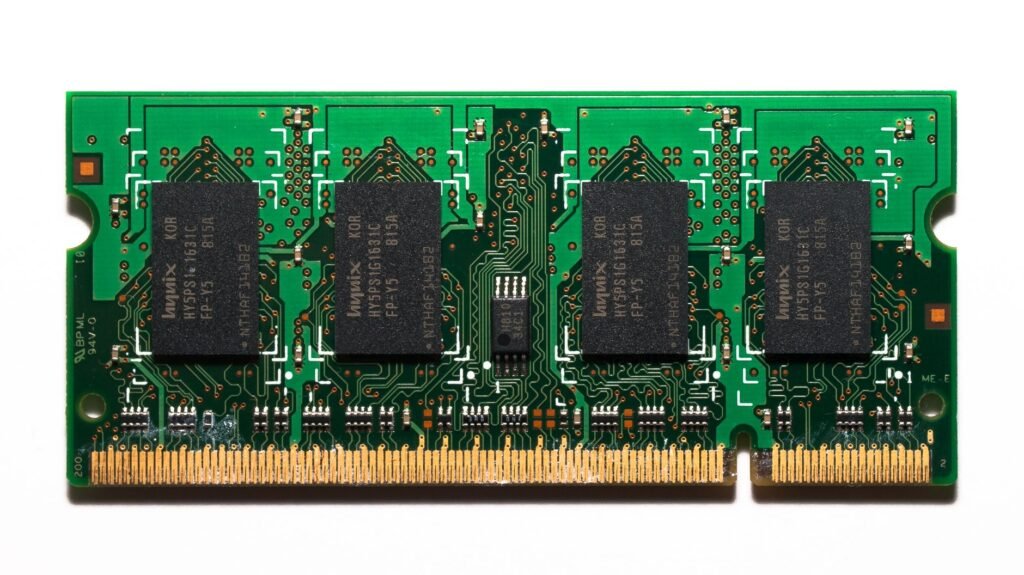
DRAM is working memory, the RAM a phone uses while apps are running. NAND flash is storage, the part that holds your photos whether the phone is on or off. Both are made in the same fabs, on the same wafers, competing for the same capacity.
IDC put the mechanism plainly. It calls the situation a zero-sum game, in which “every wafer allocated to an HBM stack for an Nvidia GPU is a wafer denied to the LPDDR5X module of a mid-range smartphone or the SSD of a consumer laptop.” HBM is the stacked memory that sits beside an AI accelerator. It is made on the same lines as the memory in your phone.
AI data centers will pay far more per wafer than phone makers will. So capacity moved, and consumer memory got expensive. Your phone is competing for parts with a data center, and it is losing.
Where the extra cost sits inside the phone
Counterpoint’s parts estimate for the 1 TB iPhone 18 Pro Max is a component bill, not a price tag. Apple sets the price. But the shape of the bill tells you where the price pressure is, and that is useful before you pick a model.
| Component | Direction | Detail |
|---|---|---|
| NAND flash (storage) | Up sharply | Exceeds $250 on its own, about half of the previous generation’s entire parts cost |
| DRAM (memory) | Up sharply | Climbing on the same AI demand |
| A20 Pro chip | Up | Second-largest contributor. Moving to TSMC’s 2nm process carries a steep wafer premium |
| Camera | Up modestly | Variable aperture hardware |
| Display and other parts | May decline | Partially offsets the rest |
Read that top row again, because it changes how you should buy.
Why the storage tier is where this will hurt
If storage is the largest cost increase, then the extra cost is proportional to how much storage you buy. A 256 GB phone absorbs a fraction of what a 1 TB phone absorbs.
MacRumors reports Apple is expected to apply different increases across storage tiers rather than one flat increase. That is the sensible response to this cost structure. It also means the headline starting price may move less than the gap between tiers does.
The practical version: the habit of buying one storage tier more than you need has become a much more expensive habit this year. Check what your current phone actually uses in Settings, under General, then iPhone Storage. Most people are carrying a tier they never filled.
This is not an Apple problem
It would be easy to read a price rise as Apple being Apple. The industry data says otherwise. If the increase squeezes your budget, our guide to canceling subscriptions you forgot about frees up more per month than most people expect.
IDC modeled two scenarios for 2026. In the moderate case, the smartphone market contracts 2.9 percent while average selling prices rise 3 to 5 percent. In the pessimistic case, the market contracts 5.2 percent with prices up 6 to 8 percent. PCs fare worse. Their moderate case is a 4.9 percent contraction, the pessimistic one 8.9 percent.
Supply is not catching up quickly either. IDC expects 2026 DRAM supply growth of 16 percent and NAND growth of 17 percent. Both are below historical norms, and IDC expects effects to persist well into 2027.
IDC’s read is that this lands hardest away from Apple. It expects thin-margin vendors like Xiaomi and Oppo to have no option but to pass the cost straight to buyers. Apple and Samsung are structurally hedged, locking in memory 12 to 24 months ahead on long-term supply agreements. That is one reason to expect Apple’s increase to be smaller than the industry average, not larger.
The other half of the price story: The cheap iPhone moved
Reporting indicates Apple is splitting the iPhone 18 launch across two seasons.
| September 2026 | Spring 2027 |
|---|---|
| iPhone 18 Pro | iPhone 18 (standard) |
| iPhone 18 Pro Max | iPhone 18e |
| Foldable iPhone | iPhone Air 2 |
Only the expensive models arrive this fall. If you were waiting to buy a standard iPhone 18 in September, reporting puts it in spring 2027. That is roughly six months later than a normal iPhone cycle would suggest. Our piece on the foldable iPhone and the September 9 event covers the full expected lineup.
What to do before September 9
Most of this event is out of your hands. Two things are not.
Check your trade-in value now
A trade-in quote is a price a retailer offers for your old device, usually held for a limited window once it is issued. Trade-in values track resale demand, and demand for a model falls once its replacement is announced. Nobody has published what Apple’s post-event values will be, so the sensible move is to lock in a number while the current one is still on the table.
Getting a quote costs nothing and commits you to nothing. Check Apple’s own trade-in tool and at least one carrier, because the two rarely agree. A carrier’s headline number is often the bigger one, and it is usually conditional. It arrives as bill credits spread over an installment agreement rather than money up front. Read what the offer is attached to before you take the larger figure.
Work out your real storage need
Given where the cost increase sits, this is the decision with the most money attached. Open Settings, then General, then iPhone Storage, and look at what you have used after several years of ownership. If you are at 90 GB on a 256 GB phone after several years, the higher tier is unlikely to earn its extra cost this year.
Frequently asked questions
How much will the iPhone 18 Pro cost?
Apple has not said. Analysts estimate $100 to $300 above the iPhone 17 Pro’s $1,099 starting price, and the Wall Street Journal reported it could start as high as $1,399.
Why are phone prices going up in 2026?
Memory chips. AI data center demand pulled manufacturing capacity away from consumer DRAM and NAND, and the resulting shortage raised component costs across phones, laptops, and anything else that stores data.
Should I buy an iPhone 17 instead?
Previous-generation models usually drop in price when a new one launches, so waiting until after September 9 costs nothing if that is your plan. Whether the older phone suits you depends on what you need it to do.
How long will the memory shortage last?
IDC expects effects to persist well into 2027, with supply growth running below historical norms through 2026.
Is the price increase confirmed?
No. Every figure here is an analyst estimate or supply chain reporting. Apple confirms pricing at the event and not before.
The bottom line
The iPhone 18 Pro is expected to cost more because the memory inside it costs more. Memory costs more because AI infrastructure is outbidding consumer electronics for the same manufacturing capacity. That pressure is industry-wide and is forecast to run into 2027. The two things worth doing before September 9 are checking your trade-in quote and working out how much storage you actually use, because storage is where this year’s increase concentrates. This is general information, not financial advice.
Sources
Every claim in this article was fact-checked against these sources on August 31, 2026. Apple has confirmed no pricing. Every figure is an analyst estimate or supply chain reporting.
3 thoughts on “iPhone 18 Price Increase: Why, How Much, What to Do”
Comments are closed.